
TECHNOLOGY
Major Trends In Technology Togtechify: The Complete Guide


Welcome to the world of Togtechify, where innovation meets functionality. As we navigate through an era defined by rapid technological advancements, staying informed about major trends becomes essential. From artificial intelligence reshaping industries to the Internet of Things connecting our everyday lives, technology is evolving at lightning speed. This guide will explore these transformative trends and their implications for businesses and individuals alike. Whether you’re a tech enthusiast or just curious about what’s next on the horizon, join us as we delve into the key developments that are shaping our digital landscape today.
The Rise of Artificial Intelligence in Technology
Artificial Intelligence (AI) is reshaping the technological landscape at an unprecedented pace. From machine learning algorithms to natural language processing, AI is becoming integral across various sectors.
Businesses are harnessing their power to improve efficiency and decision-making. Chatbots now handle customer inquiries seamlessly, while predictive analytics helps companies anticipate market trends.
In healthcare, AI-driven diagnostics deliver faster, more accurate results. This technology can analyse vast datasets far beyond human capability, identifying patterns that enhance patient care.
Moreover, the entertainment industry leverages AI for content creation and personalised recommendations. Streaming services use it to suggest shows based on user preferences.
As we continue to embrace this intelligent revolution, ethical considerations around data privacy and job displacement emerge as critical topics in our society’s evolving narrative. The rise of AI signals a future filled with possibilities and challenges alike.
Impact of Big Data and Analytics in Businesses
Big Data is revolutionising how businesses operate. Companies can now harness vast amounts of information to make informed decisions. This data-driven approach enhances efficiency and boosts profitability.
Analytics tools sift through complex datasets to uncover trends and patterns. Businesses are leveraging these insights for targeted marketing strategies, improving customer experiences, and optimising operational processes.
Real-time analytics enable firms to respond swiftly to market changes. Quick adjustments can mean the difference between staying ahead and falling behind competitors. With predictive analytics, organisations anticipate customer needs before they arise.
Moreover, sectors like healthcare benefit immensely from Big Data analysis. Patient treatments become more personalised when providers analyse historical health data effectively.
Industries that embrace this technology gain a competitive edge in today’s fast-paced environment. The ability to transform raw data into actionable intelligence is not just an advantage; it’s becoming essential for survival in the digital age.
The Emergence of Blockchain Technology
Blockchain technology is making waves across multiple industries. It offers a decentralised approach, ensuring transparency and security in transactions.
At its core, blockchain acts as a digital ledger that records information in an immutable way. Each block contains data that is linked to the previous one, creating a chain that’s nearly impossible to alter.
Businesses are leveraging blockchain for various applications. From supply chain management to financial services, it enhances trust among stakeholders by providing real-time visibility into processes.
The rise of cryptocurrencies has further fueled interest in this innovative tech. Beyond digital currencies, smart contracts enable automated agreements without intermediaries.
As more organisations explore blockchain solutions, they discover new efficiencies and cost savings. The potential impact on traditional systems cannot be overstated; it’s truly reshaping how we think about data integrity and ownership.
Virtual Reality and Augmented Reality: Changing the Game
Virtual Reality (VR) and Augmented Reality (AR) are reshaping how we interact with digital content. These technologies immerse users in virtual environments or enhance their real-world experiences.
Consider gaming; VR transports players into fantastical worlds, offering unprecedented engagement. Meanwhile, AR overlays digital elements onto the physical landscape, enhancing gameplay without losing touch with reality.
Beyond entertainment, industries like healthcare and education are harnessing these technologies for training simulations and interactive learning experiences. Surgeons can practice complex procedures in a risk-free environment while students engage with 3D models of anatomy.
Retail is also evolving. Shoppers can visualise furniture in their homes before making a purchase decision using AR apps. This personalised shopping experience reduces uncertainty and boosts consumer confidence.
As VR and AR continue to develop, they promise to create more immersive experiences across various sectors, altering our perception of reality itself.
Internet of Things: Connecting Everything Around Us
The Internet of Things (IoT) is reshaping our daily lives. Everyday objects are now smart, connected devices that communicate with one another. This interconnectedness offers unprecedented convenience.
Imagine a world where your coffee maker brews your morning cup as soon as you wake up. Smart thermostats adjust the temperature based on your preferences and routines. These innovations enhance comfort and efficiency in homes and workplaces alike.
Businesses are also leveraging IoT technology to optimise operations. Sensors monitor machinery performance, reducing downtime and maintenance costs. Retailers can track inventory in real-time, ensuring they meet customer demand without excess waste.
However, this connectivity comes with challenges too—especially regarding data privacy and security risks. As more devices connect to the internet, safeguarding sensitive information becomes increasingly critical for consumers and companies alike.
Embracing IoT opens new possibilities for innovation while requiring careful attention to its implications.
Importance of Cybersecurity in Today’s Digital World
Cybersecurity has become a cornerstone of our digital existence. With the increasing reliance on technology, protecting sensitive information is more crucial than ever.
Every day, cyber threats evolve, targeting individuals and organisations alike. From ransomware attacks to data breaches, the stakes are high. A single vulnerability can lead to catastrophic consequences.
Businesses face not only financial losses but also damage to their reputation. Customers demand assurance that their data is safe when interacting with brands online.
Moreover, regulatory compliance adds another layer of complexity. Organisations must adhere to strict guidelines governing data protection.
Investing in robust cybersecurity measures isn’t just prudent; it’s essential for building trust in today’s interconnected world. As technology advances, so must our defences against potential threats. This ongoing battle requires vigilance and innovation at every level.
Future Predictions for Technology Trends
As we look ahead, technology is poised for remarkable shifts. The integration of AI into everyday applications will continue to deepen, transforming industries and enhancing user experiences.
Quantum computing could revolutionise problem-solving capabilities. This leap may open doors to unprecedented processing power, impacting fields like cryptography and complex simulations.
Sustainability in tech is becoming essential. Innovations focused on energy efficiency and eco-friendly practices will likely be at the forefront as consumers demand greener solutions.
Moreover, 5G networks will reshape connectivity. With faster speeds and lower latency, new opportunities for IoT devices can emerge seamlessly throughout daily life.
A shift towards decentralised platforms might redefine how we interact online. Increased transparency and privacy are expected as users seek more control over their digital identities.
How Togtechify is Adapting to These Trends
Togtechify is committed to staying ahead in the ever-evolving tech landscape. By embracing artificial intelligence, we are enhancing our services and improving user experiences. Our algorithms adapt continuously, providing personalised solutions for our customers.
We understand the importance of big data analytics. Thus, Togtechify harnesses insights from vast datasets to drive informed decisions and strategies. This approach not only boosts efficiency but also fosters innovation within our teams.
Blockchain technology is another area where we’re making strides. We’re exploring its potential for secure transactions and transparent processes, ensuring trust in every interaction.
Virtual reality and augmented reality applications are on the horizon at Togtechify. We’re investing in immersive experiences that redefine customer engagement.
Cybersecurity is a top priority for us as we navigate these trends. Implementing robust security measures safeguards our users’ data against emerging threats while maintaining their confidence in our platform.
Conclusion
The landscape of technology is ever-evolving, with trends shaping how we live and work. The rise of artificial intelligence continues to transform industries, enhancing efficiency and decision-making. Big data analytics empower businesses to extract insights from vast amounts of information, driving strategic initiatives.
Blockchain technology is redefining trust in transactions, offering unparalleled security features that are essential in today’s digital economy. Meanwhile, virtual reality (VR) and augmented reality (AR) are creating immersive experiences that change the way consumers interact with products and services.
The Internet of Things (IoT) connects our devices like never before, allowing for smarter homes and workplaces. As these technological advancements flourish, cybersecurity remains a critical concern—protecting sensitive information has never been more vital.
Looking ahead, emerging technologies promise even greater innovations on the horizon. Togtechify recognises these major trends in technology and actively adapts strategies to leverage their potential fully. By staying informed about changes within this dynamic environment, Togtechify ensures its relevance in an increasingly tech-driven world.
Keeping pace with these developments will be crucial for anyone looking to thrive amidst rapid transformation—embracing adaptability can lead businesses toward long-term success.
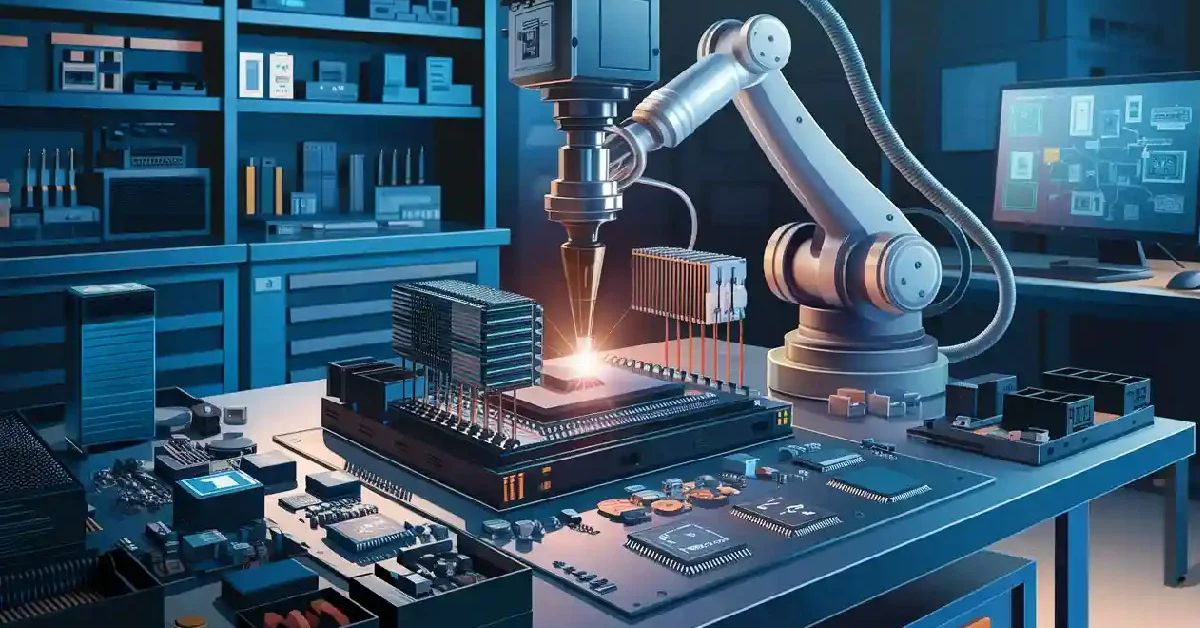
Welcome to the future of moulding technology, where innovation meets efficiency. Enter Repmold—a groundbreaking approach that is transforming how industries think about production and design. Imagine a process that not only cuts down on waste but also enhances precision and creativity in manufacturing. As businesses seek ways to optimise their operations, understanding Repmold becomes essential. This revolutionary technique promises to redefine standards across various sectors, setting new benchmarks for quality and sustainability. Let’s dive deeper into what makes Repmold such an exciting development in the world of moulding technology!
The Evolution of Moulding Technology
Moulding technology has undergone a remarkable transformation over the decades. It began with traditional methods like hand moulding and sand casting, which were labour-intensive and time-consuming.
The introduction of injection moulding in the mid-20th century revolutionised production efficiency. This method allowed for mass manufacturing of precise components, drastically reducing costs while increasing output.
As industries evolved, so did demands for more complex shapes and materials. Advancements led to techniques such as blow moulding and compression moulding, each catering to specific applications.
Today’s focus is on sustainability and precision. Digital technologies are now integrated into the process. 3D printing emerges as a game-changer, enabling rapid prototyping with unparalleled accuracy.
These trends highlight an ongoing quest for innovation in moulding technology. Each evolution builds on previous methods while addressing contemporary challenges faced by various sectors globally.
How Repmold Works: Step-by-Step Process
Repmold operates through a precise and innovative process. It begins with the design phase, where engineers create detailed 3D models of the desired product. Advanced software tools play a crucial role in this stage, ensuring accuracy.
Next comes material selection. Repmold utilises various thermoplastics that offer durability and flexibility. These materials are chosen based on the specific needs of the project.
Once everything is set, the moulding process begins. The selected material is heated until it becomes pliable, then injected into a custom mould under high pressure. This ensures every detail from the design is captured perfectly.
After cooling, the moulded part is removed from its casing. Quality checks follow to ensure it meets all specifications and standards before moving on to further processing or assembly for final use. Each emphasises efficiency and precision, setting Repmold apart in modern manufacturing technology.
Applications of Repmold in Different Industries
Repmold technology is making waves across various industries, redefining how products are created. In the automotive sector, it aids in producing lightweight components that enhance fuel efficiency while maintaining strength.
The consumer electronics industry benefits from Repmold’s precision. Complex designs can be achieved with minimal waste, leading to cost savings and faster production times.
Medical devices also see significant improvements through this moulding technique. Customizable parts can be manufactured quickly, ensuring better patient outcomes and streamlined processes.
In the packaging realm, Repmold allows for innovative designs that meet sustainability goals without compromising quality. Its versatility makes it a go-to solution for developing unique packaging solutions.
Aerospace applications leverage Repmold’s ability to create intricate shapes while adhering to strict regulations on weight and safety standards. This adaptability opens doors for future advancements in various sectors.
Advantages of Using Repmold
Repmold offers a range of advantages that make it an attractive option for manufacturers. One standout benefit is its efficiency. The streamlined process significantly reduces production time, allowing companies to meet tight deadlines.
Another key advantage is the cost-effectiveness. With less material waste and lower energy consumption, businesses can see substantial savings over time. This is particularly beneficial in competitive markets where margins are thin.
Additionally, Repmold enables greater design flexibility. Manufacturers can easily adapt their moulds for diverse products without extensive retooling costs or delays.
The technology also enhances product quality. Precision moulding produced through Repmold exhibits fewer defects and consistent performance standards.
Sustainability plays a crucial role in its appeal. By minimising waste and utilising eco-friendly materials, Repmold aligns with modern environmental goals while promoting responsible manufacturing practices.
Potential Challenges and Limitations
While Repmold presents numerous advantages, it’s not without its challenges. One significant limitation is the initial investment required for advanced machinery and materials. This can be a barrier for smaller companies looking to adopt this technology.
Another potential issue lies in material compatibility. Not all substances are suitable for Repmold processes, which may restrict their applicability in certain sectors. Companies must carefully evaluate whether their desired materials can yield the expected results.
Moreover, production speed could pose a challenge during scaling-up operations. As demand increases, maintaining efficiency without compromising quality becomes crucial.
There’s a learning curve associated with adopting new technologies like Repmold. Training staff and adapting existing processes might take time and resources that some businesses find hard to allocate right away.
Future Developments and Possibilities
The future of Repmold technology is brimming with potential. As industries evolve, so do the applications of this innovative moulding method.
Research is focusing on enhancing material compatibility. This could open doors for using biodegradable and recycled materials in production processes.
Another area ripe for development is automation. Integrating AI and robotics into Repmold systems can streamline operations, minimising labour costs while maximising efficiency.
Advancements in 3D printing technologies also promise exciting possibilities. The synergy between Repmold and additive manufacturing might lead to unprecedented customisation options, allowing businesses to create complex designs quickly.
Sustainability will be at the forefront as well. Companies are increasingly prioritising eco-friendly solutions that minimise waste during production.
As these trends unfold, the landscape of moulding technology will transform dramatically, positioning Repmold as a cornerstone of future industrial practices.
Conclusion: Why Repmold is the Future of Moulding Technology
Repmold represents a significant advancement in moulding technology, showcasing the potential to transform various industries. Its innovative approach streamlines production while enhancing design flexibility. The benefits of speed, cost-efficiency, and sustainability make it an appealing choice for manufacturers looking to stay competitive.
As businesses continue to seek out efficient solutions that reduce waste and improve quality, Repmold stands at the forefront of this movement. Its versatility means it can adapt across fields like automotive, aerospace, consumer goods, and more. With ongoing advancements on the horizon, such as improved materials and integration with automation technologies, Repmold is not just a trend—it’s paving the way for future innovations in manufacturing.
The challenges associated with adopting this new technology are important considerations,ons but do not overshadow its transformative potential. As knowledge grows with organisations about how best to implement Repmold processes successfully, we can expect widespread adoption that could redefine industry standards.
Embracing Repmold opens doors to enhanced creativity in product development while addressing environmental concerns. This balance between innovation and responsibility makes it clear why many experts believe that Repmold is indeed shaping up to be the future of moulding technology—a game changer for manufacturers willing to embrace change and drive forward into new possibilities.

Unlocking your true potential often feels like an elusive goal. With the myriad of distractions and hurdles we face daily, it can be challenging to stay on track. This is where DPSIT comes into play—a dynamic framework designed to guide you through your personal and professional journey. By defining, planning, strategising, implementing, and tracking your progress, DPSIT provides a structured yet flexible approach to achieving success.
ddcddd
Imagine having a roadmap that not only sets clear destinations but also helps you navigate obstacles along the way. Whether you’re looking to advance in your career or enhance personal growth, understanding how to harness the power of DPSIT can make all the difference. Let’s dive deeper into this transformative process and explore practical tips to help you maximise your potential with DPSIT!
The Importance of Defining Your Goals and Objectives
Defining your goals and objectives is the foundation of any successful journey. Clear goals give you direction, making it easier to navigate challenges along the way.
When you set specific targets, you’re more likely to stay focused. Vague aspirations can lead to confusion and frustration. A well-defined objective serves as a roadmap, guiding your efforts efficiently.
Additionally, knowing what you want helps in prioritising tasks. You can allocate resources effectively when your end goal is crystal clear. This clarity not only saves time but also enhances productivity.
Moreover, clearly defined goals boost motivation. They become milestones that celebrate progress and achievements. Each small win reinforces your commitment and energises further actions.
Engaging with this process brings purpose into daily activities. It transforms routine into meaningful steps toward success, instilling a sense of accomplishment while paving the path ahead.
Creating a Solid Plan for Achieving Your Goals
Creating a solid plan is the backbone of any successful goal-setting journey. Start by breaking your primary objective into smaller, manageable milestones. Each milestone should be specific and time-bound to make it easier to track progress.
Next, identify the resources you need. This could include tools, support systems, or knowledge that will help you along the way. Assessing what’s available can save time and prevent roadblocks later on.
Don’t forget to factor in flexibility. Life often throws unexpected challenges at us; being adaptable ensures you’re prepared for anything that comes your way.
Set regular check-in points within your plan. These moments allow for reflection and adjustment as needed while keeping motivation high throughout the process of achieving your goals with Dpsit.
Strategies for Effective Implementation
Effective implementation is where your plans take flight. Start by breaking your goals into manageable tasks. This approach not only simplifies the process but also keeps you focused.
Assign clear responsibilities to team members if you’re working with others. Everyone should know their role and how it contributes to the bigger picture.
Communicate regularly about progress and setbacks. Open dialogue fosters a supportive environment, encouraging everyone to share insights or address issues promptly.
Don’t shy away from using technology. Tools for project management can streamline communication and keep track of deadlines effortlessly.
Remain flexible. Sometimes strategies may need adjustments based on real-time feedback or unexpected challenges that arise along the way. Embrace this adaptability; it’s part of effective implementation in any endeavour.
Utilising Tracking Methods to Measure Progress
Tracking progress is essential when using DPSIT effectively. Without measurement, it’s easy to drift off course.
Consider employing digital tools like apps or spreadsheets to monitor your milestones. These platforms allow for real-time updates and provide visual representations of your journey.
Regular check-ins are another effective method. Schedule weekly or monthly reviews to assess where you stand concerning your goals. This practice keeps you accountable and helps identify areas needing adjustment.
Journaling can also be beneficial. Documenting daily experiences related to your objectives fosters reflection and clarity on what works best for you.
Celebrate small victories along the way. Recognising these achievements boosts motivation while reinforcing positive habits that lead toward larger goals in the DPSIT framework.
Overcoming Challenges and Staying Motivated with DPSIT
Challenges are a natural part of any journey. With DPSIT, you can turn obstacles into stepping stones.
When faced with difficulties, revisit your defined goals. This reflection can reignite your passion and clarify why you started.
Planning is crucial here. A flexible plan allows for adjustments when unexpected issues arise. Instead of feeling defeated, view changes as opportunities to innovate.
Motivation often dips during tough times. Incorporate mini-celebrations for small victories along the way. These moments help maintain momentum and remind you of progress made.
Support is invaluable, too; share your experiences with others who understand your journey. They can offer encouragement or fresh perspectives that inspire new strategies.
Remember, every setback is a lesson learned in disguise. Embrace these moments as part of the process toward achieving greatness through DPSIT.
Real Life Success Stories Using DPSIT
Maria, a budding entrepreneur, transformed her side hustle into a thriving business using DPSIT. She defined her vision clearly and mapped out specific goals. Each step was meticulously planned, allowing her to focus on what truly mattered.
Then there’s Jason, who struggled with fitness for years. By applying the DPSIT framework, he identified his health objectives and created a strategic workout plan. Implementing daily routines became easier when he tracked his progress diligently.
Another inspiring story is that of Leanora, an aspiring writer. Through defining her target audience and outlining content themes, she strategically built an online presence. Tracking engagement metrics helped refine her approach over time.
These stories show how diverse individuals harnessed the power of DPSIT to achieve their dreams. They not only faced challenges but also overcame them by sticking to this structured method in their journeys toward success.
Conclusion: Unlocking Your Full Potential with DPSIT
Unlocking your full potential with DPSIT is an exciting journey. This framework—Define, Plan, Strategise, Implement, Track—offers a clear pathway to personal and professional growth. By defining your goals, you set the stage for what you want to achieve. With a solid plan in place, every step becomes more manageable.
Implementing strategies effectively allows you to put your plan into action. Remember that tracking progress is crucial; it keeps you accountable and helps adjust your course when necessary. Challenges will arise along the way, but staying motivated through adversity can lead to remarkable outcomes.
Success stories abound from those who have embraced the DPSIT approach. They serve as reminders of what’s possible when dedication meets strategy.
Embrace this powerful framework today and start on the road toward maximising your potential!

The Moly Wr8 W1449 isn’t just a car; it’s a testament to engineering excellence. This innovative vehicle captures the essence of modern automotive design, combining performance and style in ways that captivate enthusiasts and everyday drivers alike. With its sleek lines and powerful capabilities, the Moly Wr8 W1449 stands out on roads around the world.
What makes this model truly remarkable is not just its aesthetic appeal but also the intricate engineering processes behind it. Each feature has been meticulously crafted to ensure an exhilarating driving experience. Let’s dive into the fascinating journey of how this extraordinary vehicle came to life, exploring each stage from concept to reality while uncovering what sets it apart in today’s competitive market.
Overview of the Engineering Process
The engineering process behind the Moly Wr8 W1449 is a fascinating journey of innovation. It begins with a deep understanding of market needs and user experience. Engineers conduct thorough research, gathering data to pinpoint what features are most desired by potential users.
Next come brainstorming sessions where creative ideas flow freely. Teams collaborate, combining technical expertise with artistic vision to shape an initial concept. This stage sets the foundation for everything that follows.
Once ideas solidify into sketches and designs, the team moves on to creating detailed specifications. Each component is meticulously planned, ensuring functionality aligns with aesthetic appeal.
Throughout this phase, engineers use advanced software tools for simulations and modelling. These digital representations help visualise how the Moly Wr8 W1449 will perform under various conditions before any physical prototype is created.
Design and Development Stage
The design and development stage of the Moly Wr8 W1449 showcases a marriage between creativity and engineering precision. Every element is meticulously considered, from aerodynamics to aesthetics.
Designers utilised advanced software tools to create 3D models that reflect both functionality and style. This process involved countless iterations, ensuring that every curve served a purpose while enhancing visual appeal.
Collaboration played a vital role here. Engineers worked closely with designers to tackle challenges in structural integrity and performance metrics. They aimed for an optimal balance between lightweight materials and durability.
Prototyping became essential as ideas transformed into tangible components. Each prototype was rigorously analyzed, leading to adjustments that would enhance overall efficiency. Feedback from various stakeholders ensured the final design met diverse expectations.
This dynamic phase set the foundation for what would become an innovative marvel on wheels.
Prototype Testing and Refinement
Prototype testing is a crucial phase in the development of Moly Wr8 W1449. Here, engineers put their designs to the test. They examine how well each feature performs under real-world conditions.
During this stage, feedback is invaluable. Engineers collect data on performance metrics and user experience. This information guides further enhancements.
Refinement follows closely behind testing. Adjustments are made based on insights gathered from various trials. Every iteration brings Moly Wr8 W1449 closer to its optimal form.
The goal is not just functionality but reliability and efficiency as well. Each new version undergoes rigorous scrutiny to ensure it meets high standards before moving forward.
Collaboration among teams plays a key role during this process, allowing for diverse perspectives that strengthen the product’s overall design and usability.
Final Product Features and Benefits
The Moly Wr8 W1449 is a remarkable blend of performance and efficiency. Its lightweight structure enhances agility while maintaining structural integrity. This balance makes it an ideal choice for both everyday driving and spirited adventures.
Advanced aerodynamics play a crucial role in its design, reducing drag and improving fuel efficiency. This feature not only saves money at the pump but also contributes to a greener footprint.
Under the hood, the powerful engine delivers impressive horsepower without sacrificing torque. Drivers experience seamless acceleration that transforms every journey into an exhilarating ride.
Inside, cutting-edge technology keeps occupants connected and entertained. The intuitive interface ensures ease of use, allowing drivers to focus on what truly matters—the road ahead.
Safety has not been overlooked either; multiple advanced systems work together to provide peace of mind during every drive. With these features combined, the Moly Wr8 W1449 stands out as a leader in modern automotive engineering.
Real-Life Applications and Success Stories
The Moly Wr8 W1449 has transformed various industries with its cutting-edge engineering. One standout application is in motorsport, where precision and performance are critical. Teams have reported significant improvements in lap times thanks to the lightweight design.
In urban environments, car-sharing services have adopted the Moly Wr8 W1449 for its fuel efficiency and compactness. Users appreciate how it navigates tight city streets effortlessly while reducing carbon footprints.
Additionally, delivery companies utilise this innovative model for last-mile logistics. Its agility allows for swift navigation through congested areas, enhancing service speed without compromising safety.
These real-world applications showcase the versatility of the Moly Wr8 W1449 across diverse sectors. Each success story highlights not just the vehicle’s engineering prowess but also its impact on everyday life and business operations.
Future Innovations and Advancements
The future of the Moly Wr8 W1449 is bright, with a focus on integrating cutting-edge technology. Engineers are exploring advanced materials that enhance durability while reducing weight. This innovation could lead to improved fuel efficiency and performance.
Autonomous features are also on the horizon. Imagine a model equipped with smart sensors that optimise driving based on real-time conditions. Such advancements would elevate safety and user experience significantly.
Sustainability remains at the forefront as well. The team aims to incorporate electric powertrains into upcoming models, addressing environmental concerns without sacrificing performance.
Collaboration with tech firms might bring new digital interfaces, making connectivity seamless for users who crave modern solutions in their vehicles.
These innovations reflect an ongoing commitment to excellence in design and engineering within the automotive industry.
Conclusion
The Moly Wr8 W1449 represents a remarkable leap in engineering and design. Its innovative features stem from meticulous planning, testing, and refinement that ensure it meets the highest standards of performance.
With its cutting-edge technology and user-centric approach, this vehicle is not just about getting from point A to point B; it’s about enhancing every journey. The versatility seen in real-life applications showcases how well the Moly Wr8 W1449 fits into various lifestyles.
As engineers continue to push boundaries, one can only speculate what future innovations will emerge from projects like these. The commitment to progress remains strong within the industry.
This vehicle embodies more than just advanced engineering; it reflects a vision for a smarter and more efficient ride as we look ahead at what’s next on the horizon for automotive technology.
-

 LIFESTYLE1 month ago
Haskawana: A Hidden Gem in the Heart of Nature
-

 TECHNOLOGY1 month ago
Cartetach: The Future of Online Communities
-

 TECHNOLOGY1 month ago
The Vision Behind Tlc Technologies Nova Advisory 2025: Insights from Industry Leaders
-

 TECHNOLOGY1 month ago
Herbciepscam Exposed: How to Recognize and Avoid This Online Scam
-

 BLOG1 month ago
The Art of Nahttypen: Exploring Different Stitch Types for Your Projects
-

 HEALTH1 month ago
Living with Inomyalgia: Tips for Managing Pain and Improving Quality of Life
-

 TECHNOLOGY1 month ago
The Evolution of Hochre: From Traditional Roots to Modern Playstyles
-

 ENTERTAINMENT1 month ago
Exploring TamilPrint1: A Comprehensive Guide to Tamil Literature and Cinema